

Fluffing feathers and shaking, what it really means for your waterfowl.

There is a reason why our best winter coats are filled with down! Feathers are a wonderful insulator! Downy feathers trap tiny pockets of air next to the bird, allowing the bird to warm those pockets of air with their heat loss and then hold that warm air around its own body. This prevents cold air from touching the birds skin. The more air that gets trapped the warmer the bird is. This is what they shake to make room and to trap more air between their down.
Birds fluff up in the cold, the technical term for fluffing up is “ptiloerection”, to trap as much air in their down as possible.
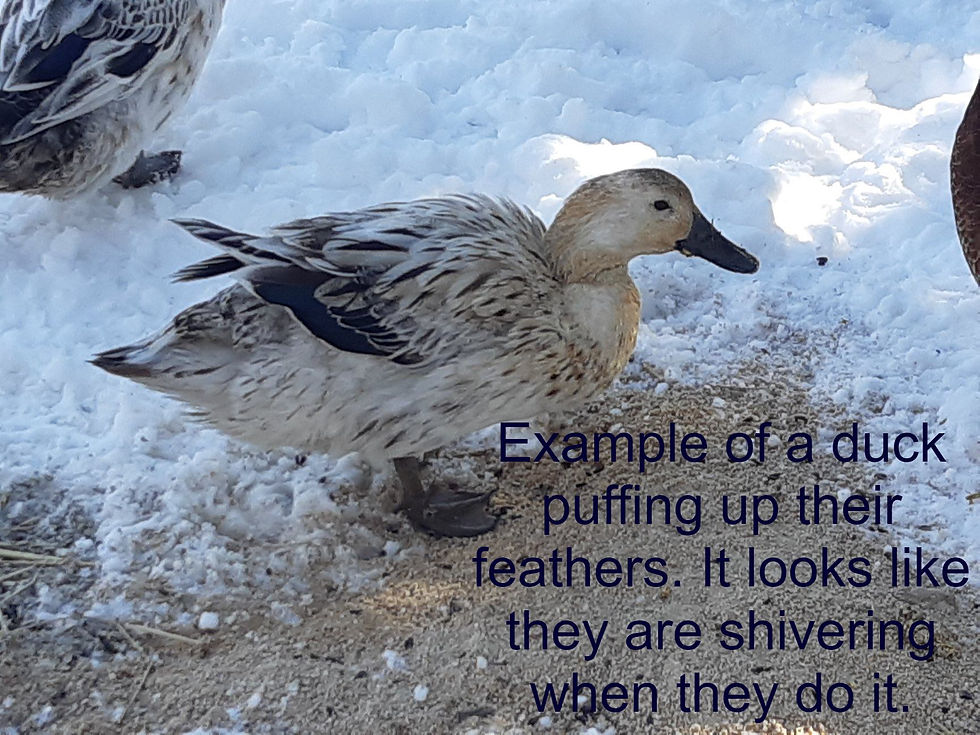
So how to tell if your birds are actually cold or just trapping more air? Birds will huddle if they cannot maintain a proper heat. They will also seek a warmer spot.
How can we help our birds to loose less heat in the winter months. This is simple we allow them to do what nature intended for them. But we can help by setting us windbreak areas. Wind is the biggest problem as it ruffles your waterfowls feathers and then they lose the warm air they had trapped in the down! We can keep them dry, keep waters outside to help keep their bedding and coop drier. We can give them access to swimming water when it is warm enough, periodically, through the winter to ensure their feathers stay in optimal condition. Without their oil glands and preening which giving them a waterproof/weatherproof layer on their feathers they cannot maintain their heat in the down. Once the down gets wet it cannot trap the air between it any longer, so it's very important to help your waterfowl maintain their feather condition during the winter!
Heating your coop is optional, but keep in mind that if you do heat your flock will have a harder time acclimatizing to the colder weather outside and they may have to spend more of their days locked up inside it.
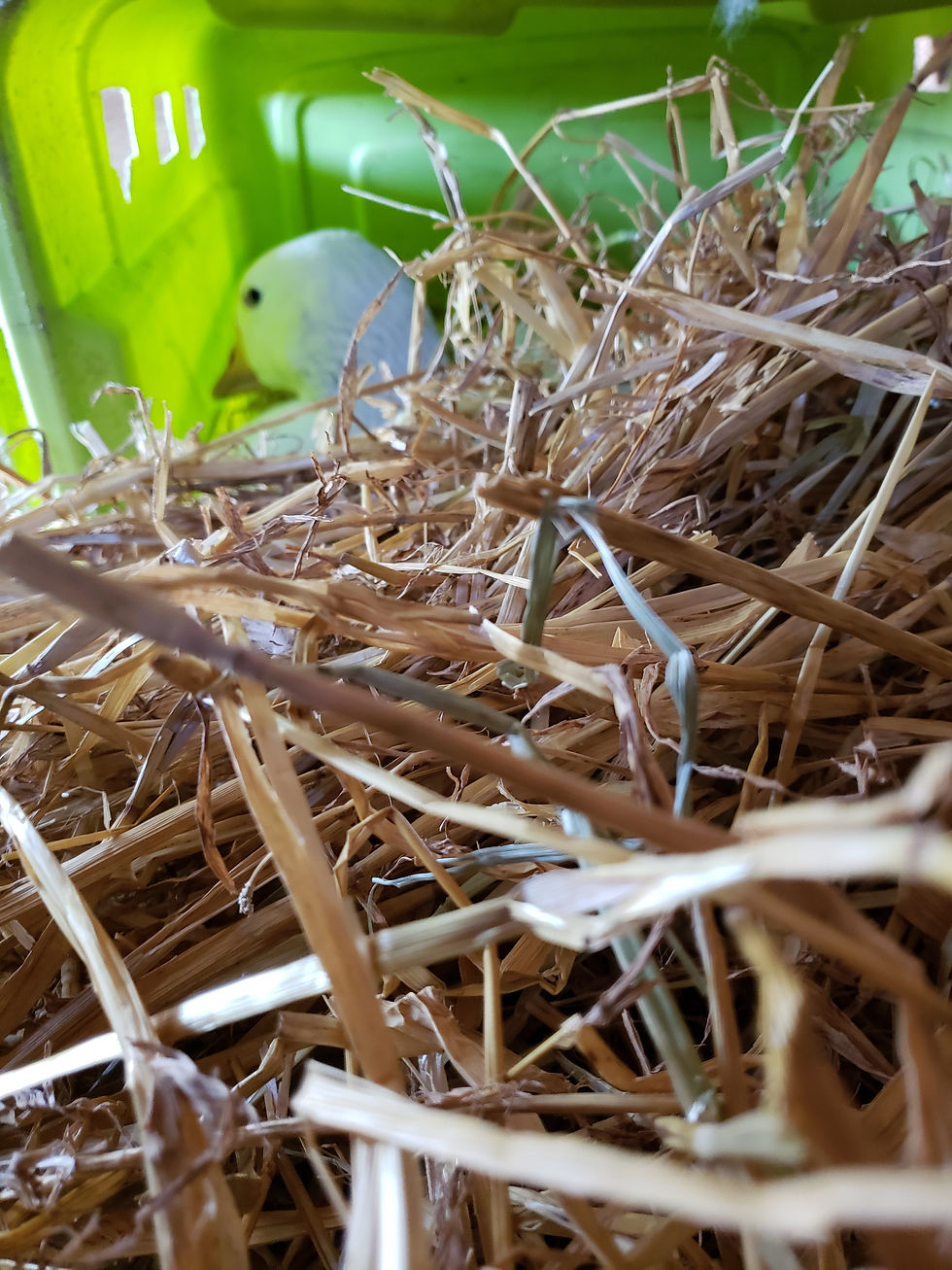
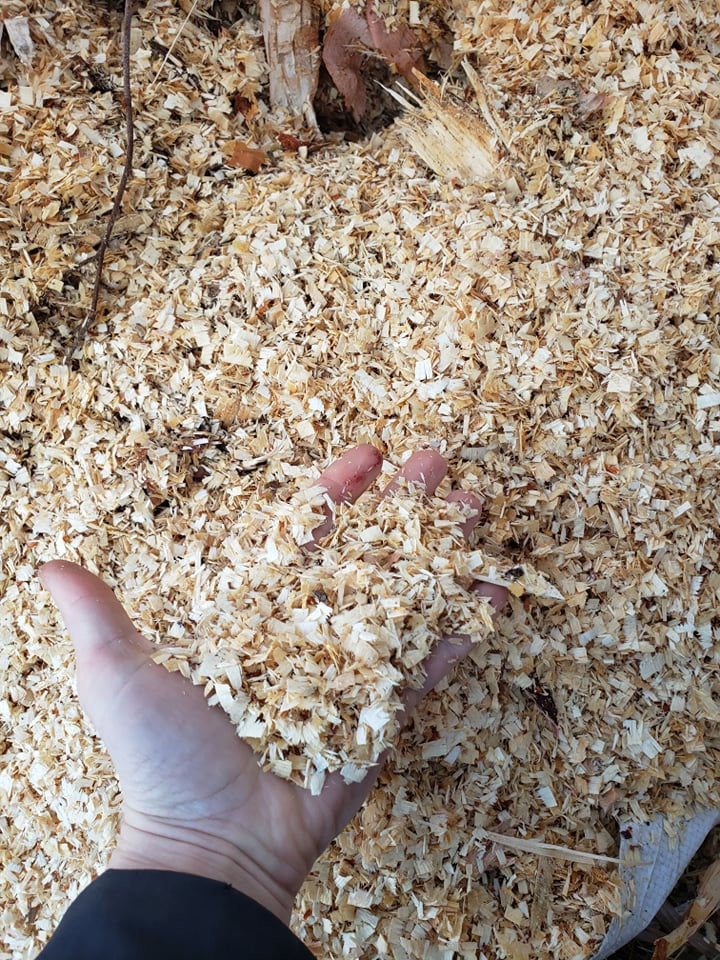
We are in western Canada and can see temperatures down to -40C regularly and even as cold as -50C or below during cold snaps. Our birds have always had daytime access to an outside wind-break area down to -45C. If it is colder than -45C we choose to keep our birds locked in their coops and provide them with feed and water inside. This is the only time we water inside our coops. We opt to keep the water outside to help control the humidity in the coop. This has worked well for us in all our years, but we do take other preventative measures to help reduce the risk of frostbite. Such as making sure there is no drafts at the level the bird is, floor level for waterfowl. As well, as making sure they have plenty of deep, dry bedding to nest down into.


Comments